- Home
- Best Probiotics
- Lactobacillus GG
Lactobacillus GG, Super Human Probiotic
Updated 11/01/2021
Medically reviewed by Dr. Atmika Paudel, PhD - Written by Dan Jackowiak Nc, HHP and Dr. Vibhuti Rana, PhD
Dr. Atmika Paudel, PhD says...The facts presented below about Lactobacillus GG and its many benefits are medically correct.
In 1905, Dr. Elie Metchnikoff's original research led to the discovery of the Lactobacillus strains of good bacteria. During his research he suggested that consuming lactobacillus rich yogurt could alter the aging process. Consequently, he was responsible for the introduction of L. bulgaricus and Streptococcus thermophilus in yogurt throughout the world.
While his discovery did aid in the treatment of many intestinal disorders including candida yeast infections, it did not achieve the degree of benefit he had thought it would. The reason for this is L. bulgaricus and Streptococcus thermophilus do not repopulate the human intestine since they are not normally found there. However, it was then that the study of probiotics and good bacteria for human health was born.
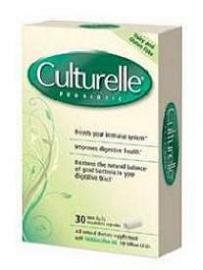
Fast forward to 1985, when Professors Sherwood Gorbach and Barry Goldin from Tufts University School of Medicine were doing research into Lactobacillus species and the human digestive system. They were looking for the ideal probiotic candidate that would satisfy Dr. Metchinikoff’s vision. The criteria they set consisted of:
- It had to be of human origin.
- It had to be able to attach to the intestinal wall and form colonies.
- It had to be resistant to acid and bile and survive the journey from the mouth to the intestine.
- It had to exhibit health-promoting activity in the human body.
- It had to be safe.
Through their research, they discovered and isolated a Lactobacillus strain that was later named Lactobacillus G.G ATCC 53103 that naturally occurs in the digestive tract. Since then Lactobacillus rhamnosus G.G has been the most studied strain of good bacteria in the world.
The Scientific Research Behind Lactobacillus GG
Works Well for Diarrhea
Lactobacillus GG (L. GG) has shown promising results in treating diarrhea caused by viruses and bacteria in both adults and children. Measurements of intestinal microflora show that LGG adheres to the intestinal wall during healthy periods as well as during episodes of diarrhea. In addition, L. GG improves microflora balance, and normalizes fecal enzyme and short-chain fatty acid levels.
In a study performed on 2000 individuals, many of them children, for preventing and treating acute diarrhea and intestinal infections the results are clear. No harmful effects were observed but L. GG did stabilize the mucosal lining of the intestine, prevent diarrhea, and reduced antibiotic caused diarrhea and intestinal lining inflammation in infants and adults.(1)
Childhood diarrhea is very common in developed countries, but more so in developing countries, and often results in death. L. GG was effective and has been recorded in studies from Pakistan, Thailand, Estonia, and Italy for the treatment of childhood diarrhea.
Another study involved two groups of participants that were given 400mg of Erythromycin 3 times a day for 7 days. One group received regular yogurt, the other yogurt containing L. GG. The number of bowel movements, diarrhea, frequency of stomach pain, and nausea was less frequent in the group receiving the L. GG. Besides, 75% of those people also had detectable levels of L. GG in their stool, proving that L. GG survived antibiotic attack.(2)
Helps With Eczema & Dermatitis
In April 2005, doctors Viljanen M and seven colleagues from the Skin and Allergy Hospital, University of Helsinki, in Finland, published a study on 230 infants with atopic eczema/dermatitis
and a suspected cows' milk allergy. They formed 3 groups and gave each
one either L. GG, a mixture of four other probiotic strains or a placebo
for four weeks. They also eliminated dairy from their diets. At the end
of the four weeks they reintroduced cows' milk proving 120 of the infants
were allergic to cows milk.(Source)
The researchers concluded, “Treatment with L. GG may alleviate atopic eczema/dermatitis syndrome symptoms in IgE-sensitized infants but not in non-IgE-sensitized infants.” In an earlier study of infants with atopic eczema/dermatitis and allergies, the same researchers concluded that L. GG treatment might alleviate intestinal inflammation in infants with atopic eczema/dermatitis syndrome and cow’s milk allergy. (3)
Helps With Inflammation
Bruzzese and six colleagues from the Department of Pediatrics, University of Naples Federico II, in Italy measured a marker of intestinal inflammation in 30 children with cystic fibrosis. They also measured the marker in 15 children with active inflammatory bowel disease (IBD) and in 30 healthy controls. Ten of the children with cystic fibrosis received L. GG and then the inflammatory marker was measured again four weeks later. According to the researchers, “Intestinal inflammation is a major feature of cystic fibrosis and is reduced by probiotics. The latter finding suggests that intestinal microflora play a major role in intestinal inflammation in cystic fibrosis children.”(Source)
An animal study suggested that L. GG increased the effectiveness of Glutathione S-transferases (GSTs) to protect the body against harmful compounds and environmental toxins. (4)
A study was done on rats with rheumatoid arthritis. They divided the animals into six groups and fed them either heat-killed Lactobacillus GG, live L. GG, sterilized milk, plain yogurt, yogurt-containing L. GG, or sterilized water. The researchers concluded, “Our observation of the remarkable preventive and curative effect on arthritis using commercial yogurts containing lactobacilli, especially L. GG, suggests the need for investigation of these agents in arthritic patients.” (5)
Inhibits Pathogenic Bacteria
Microbiologist Hamilton-Miller JM from Department of Medical Microbiology, University College Medical School in the UK discovered that various types of the lactobacilli friendly bacteria inhibit or kill H. pylori and prevent its adhesion to cells. In vivo models have demonstrated that pre-treatment with a probiotic can prevent H. pylori infections. Studies also have shown that administration of probiotics markedly reduces an existing infection. The study also showed that patients given L. GG while taking modern prescription drugs for H. pylori tolerated the drugs much better than those that didn’t.(Source)
Japanese researchers explored another possible effect of Lactobacillus GG. They induced diabetes in rats, then fed the animals L. GG or a control diet from nine to 18 weeks of age. Lactobacillus GG not only lowered levels of glycosylated hemoglobin, but also improved glucose tolerance in the animals. (6)
Probiotics such as Lactobacillus GG, Bifidobacterium, and Lactobacillus acidophilus significantly reduce the number of pathogenic bacteria that inhabit the nasal passages, according to a recent study. According to the researchers, the results indicate that regular intake of probiotics can reduce potentially pathogenic bacteria in the upper respiratory tract.
The results also indicate a linkage of the lymphoid tissue between the gut and the upper respiratory tract. (7)
Helps With Immune Function
According to a new study, consuming a dietary supplement
containing probiotic bacteria plus vitamins and minerals for at least
three months may reduce the incidence and the severity of common cold and flu symptoms.
According to the researchers, “The intake of a
dietary supplement containing probiotic bacteria plus vitamins and
minerals during a period of at least three months in winter/spring may
reduce the incidence and the severity of symptoms in common cold
infections in otherwise healthy adults. This may be due to stimulated
cellular immunity.” (8)
Pediatricians Rautava, Kalliomäki, and Isolauri from the Department of Pediatrics, University of Turku, Finland discovered that giving probiotics to pregnant and lactating mothers increased the immunoprotective potential of breast milk and protected the infants against atropic eczema during the first 2 years of life.(Source)
Dr. Vibhuti Rana, PhD says...
The above section has quite elaborately described the scientific basis of the probiotic capacity of Lactobacillus rhamnosus GG ATCC strain 53103 (first isolated from a healthy human intestinal flora) in terms of reported literature. With its gene pool (genome) sequenced in 2000 by Morita et al, it has proved to be a promising probiotic agent with diverse benefits (1). As evident from the reports discussed here, L. GG helps to nullify dysbiosis and maintain a healthy population of the good bacteria in the gut. It’s healing capacity in rat gastrointestinal ulcers has also been discussed in a study where gastric ulcers were externally induced in rats using acetic acid (2). L.GG attenuates cell death (apoptosis) and elevates Bcl-2 and ornithine decarboxylase proteins.
Another study on premenopausal black African women suffering from bacterial vaginosis shows that upon treatment with metronidazole augmented with Lactobacillus species probiotics like L. rhamnosus GR and L. reuteri, the symptoms and problems associated with vaginosis were alleviated (3). This bacterium has strong colon adhering and colonization capacity, which help it to facilitate promotion of gut health (4).
Children suffering from gastrointestinal inflammation and atopic dermatitis have shown vast improvements when administered with L. GG. The increased levels of anti-inflammatory cytokine IL-10 after L. GG ingestion support this property of the probiotic strain. IL-10 is an important molecule since it not only regulates itself, but also modules the synthesis of other cytokines like IL‐2, IL‐4, IL‐6, IL‐12, TNFα and IFNγ (5). Among so many other benefits, L. GG has shown to improve dental health in young children. This was proven in a study that showed less dental caries children fed with L. GG supplemented milk (6).
All these studies clearly indicated the significance of including L. GG in our diet.
- Morita H, Toh H, Oshima K, Murakami M, Taylor TD, Igimi S, Hattori M. Complete genome sequence of the probiotic Lactobacillus rhamnosus ATCC 53103. J Bacteriol. 2009 Dec;191(24):7630-1. doi: 10.1128/JB.01287-09. Epub 2009 Oct 9. PMID: 19820099; PMCID: PMC2786603. https://pubmed.ncbi.nlm.nih.gov/19820099/
- Lam EK, Yu L, Wong HP, Wu WK, Shin VY, Tai EK, So WH, Woo PC, Cho CH. Probiotic Lactobacillus rhamnosus GG enhances gastric ulcer healing in rats. Eur J Pharmacol. 2007 Jun 22;565(1-3):171-9. doi: 10.1016/j.ejphar.2007.02.050. Epub 2007 Mar 7. PMID: 17395175. https://pubmed.ncbi.nlm.nih.gov/17395175/#
- Anukam K, Osazuwa E, Ahonkhai I, Ngwu M, Osemene G, Bruce AW, Reid G. Augmentation of antimicrobial metronidazole therapy of bacterial vaginosis with oral probiotic Lactobacillus rhamnosus GR-1 and Lactobacillus reuteri RC-14: randomized, double-blind, placebo controlled trial. Microbes Infect. 2006 May;8(6):1450-4. doi: 10.1016/j.micinf.2006.01.003. Epub 2006 Mar 29. PMID: 16697231. https://pubmed.ncbi.nlm.nih.gov/16697231/
- https://sfamjournals.onlinelibrary.wiley.com/doi/abs/10.1046/j.1472-765X.1997.00140.x
- Pessi T, Sütas Y, Hurme M, Isolauri E. Interleukin-10 generation in atopic children following oral Lactobacillus rhamnosus GG. Clin Exp Allergy. 2000 Dec;30(12):1804-8. doi: 10.1046/j.1365-2222.2000.00948.x. PMID: 11122221.https://pubmed.ncbi.nlm.nih.gov/11122221/
- Näse L, Hatakka K, Savilahti E, Saxelin M, Pönkä A, Poussa T, Korpela R, Meurman JH. Effect of long-term consumption of a probiotic bacterium, Lactobacillus rhamnosus GG, in milk on dental caries and caries risk in children. Caries Res. 2001 Nov-Dec;35(6):412-20. doi: 10.1159/000047484. PMID: 11799281. https://pubmed.ncbi.nlm.nih.gov/11799281/
The Benefits of Lactobacillus GG in Review
- Reduces stomach upset and inflammation in all cases of stomach illness.
- Successfully treats diarrhea both in children and adults. Helps alleviate eczema and atopic dermatitis
- Prevents and kills H. pylori.
- Helps reduce and stabilize blood sugar levels in diabetic individuals.
- Beneficial for arthritic patients.
- Reduces harmful bacteria in the respiratory tract.
- Reduces the incidence and severity of colds and flus.
- Boosts immune properties of breast milk and prevents eczema in infants for up to two years.
- Helps to heal leaky gut syndrome.
- It does not have to be refrigerated, so it won’t spoil.
- It can survive antibiotic attack!
As far as yeast infection sufferers are concerned, these last three benefits are extremely important. Just the fact that most probiotics say you have to refrigerate them suggests they spoil. What happens to food when it spoils? It molds of course, and molds kill good bacteria.
The fact that it survives antibiotic attack also is a blessing for every woman on the planet that has ever, or will ever, take an antibiotic for anything again. This would be a great probiotic to take with, and after an antibiotic course so you dodn’t get a yeast infection to start with.
The suggested dose would be 3 capsules a day for one week. For the second week take 2 capsules 2 x a day. The third week take 3 capsules 3 x a day for 30 days. After this protocol you could take 1 or 2 capsules a day for maintenance and long-term prevention of relapse.
Lactobacillus GG has one drawback. The product does not contain any Bifidobacterium species, the most prevalent strain of bacteria in the human intestine. None-the-less, the research and proven benefits of Lactobacillus GG are impressive.
Dr. Vibhuti Rana, PhD says...
This section clearly indicated that though Lactobacillus rhamnosus GG supplements may lack Bifidobacterium probiotic species, they still have a huge role in improving our gut health, shielding us from antibiotic-induced dysbiosis, protecting young children from immunological problems, gut inflammations, ulcers, or dental caries.
Any category of patients, or normal individuals can make use of this probiotic species and avail its benefits. L.GG strengthens our immune system against common colds, gastrointestinal disturbances, eczema, arthritis, and some other metabolic dysfunctions like diabetes. Moreover, clinical trial studies in adults indicates that it is well tolerated and free of potential side effects or toxicity, making it ideal for boosting gut health. At their worst, they could cause bloating or nausea, and did not affect the immune system in a significant manner (only proinflammatory IL-8 cytokine reduced temporarily) (1).
Other extra-intestinal effects have also been well documented, as discussed above. Some of these are improvement of respiratory health, lesser infant rhinovirus-induced episodes, reduction of dental caries and reduction in oral Streptococcus mutans, decreased frequency of pulmonary exacerbations and increased body weight in cystic fibrosis patients, etc (2).
- https://journals.plos.org/plosone/article?id=10.1371/journal.pone.0113456
- Segers ME, Lebeer S. Towards a better understanding of Lactobacillus rhamnosus GG--host interactions. Microb Cell Fact. 2014;13 Suppl 1(Suppl 1):S7. doi:10.1186/1475-2859-13-S1-S7.
Medical Review by Dr. Atmika Paudel, PhD
The article talks about Lactobacillus GG, which is the probiotic bacteria Lactobacillus rhamnosus GG. The facts about Lactobacillus GG are correct in the article and I recommend in providing evidences of scientific experimental reports where possible throughout the article. Lactobacillus GG has been proven to be a good probiotic bacteria, which is well-studied and many clinical trials have proven its beneficial roles. Lactobacillus is found to have high adhering capacity to intestinal mucus glycoproteins.(1)
Lactobacillus GG has been reported to exert antifungal activity in several literatures. A recent scientific study published in Scientific Reports in 2019 showed that chitinase present in Lactobacillus GG was responsible for the inhibition of transition of Candida from yeast to hyphal form. (2)
Similarly, another study published in PLOS One in 2017 found that Lactobacillus GG prevents Candida adhesion and invasion, thus exerting a protective effect.
Another study showed that L. GG reduced the incidence of colon cancer in experimental animals (3), and in another study of experimental mouse infection model, L. GG enhanced the gut mucin expression and barriers formation thus maintaining intestinal barrier homeostasis. (4)
In a clinical trial where L. GG was given to children with acute onset diarrhea, it was found that L. GG led to improved recovery (5).
1.
Towards a better understanding of Lactobacillus rhamnosus GG - host
interactions. Microb Cell Fact. 2014; 13(Suppl 1): S7. Published online 2014 Aug 29. doi: 10.1186/1475-2859-13-S1-S7
2.
Allonsius, C.N., Vandenheuvel, D., Oerlemans, E.F.M. et al. Inhibition
of Candida albicans morphogenesis by chitinase from Lactobacillus
rhamnosus GG. Sci Rep 9, 2900 (2019) doi:10.1038/s41598-019-39625-0
3.
Lactobacillus rhamnosus induced epithelial cell apoptosis, ameliorates
inflammation and prevents colon cancer development in an animal model.
Biomedicine & Pharmacotherapy. Volume 83, October 2016, Pages 536-541
4.
Lactobacillus rhamnosus GG treatment improves intestinal permeability
and modulates inflammatory response and homeostasis of spleen and colon
in experimental model of Pseudomonas aeruginosa pneumonia. Clin Nutr.
2017 Dec;36(6):1549-1557. doi: 10.1016/j.clnu.2016.09.025. Epub 2016 Oct 1.
5.
Lactobacillus GG Administered in Oral Rehydration Solution to Children
with Acute Diarrhea: A Multicenter European Trial. Journal of Pediatric
Gastroenterology and Nutrition. 30(1):54-60, JANUARY 2000. PMID: 10630440
Culturelle® Lactobacillus GG can be bought here
Back to Probiotics for Yeast Home
Any questions about Culturelle® Lactobacillus GG? Feel free to contact us from the contact page of this website or talk to your doctor.
Article References
1.
The Use of Probiotics in Pediatric Gastroenterology: A Review of the
Literature and Recommendations by Latin-American Experts. Paediatr
Drugs. 2015; 17(3): 199–216.
Published online 2015 Mar 24. doi: 10.1007/s40272-015-0124-6
2. Effect of Lactobacillus GG yoghurt in prevention of antibiotic associated diarrhoea. Ann Med. 1990 Feb;22(1):57-9. PMID:2184848 DOI: 10.3109/07853899009147243
3.
Viljanen M, Savilahti E, Haahtela T, Juntunen-Backman K, Korpela R,
Poussa T, Tuure T, Kuitunen M. Probiotics in the treatment of atopic
eczema/dermatitis syndrome in infants: a double-blind placebo-controlled
trial. Allergy 2005, Apr;60(4):494-500.
4. Edalat M,
Mannervik B, Axelsson LG. Selective expression of detoxifying
glutathione transferases in mouse colon: effect of experimental colitis
and the presence of bacteria. Histochem Cell Biol 2004, Aug;122(2):151-9.
5. Baharav E, Mor F, Halpern M, Weinberger A. Lactobacillus GG bacteria ameliorate arthritis in Lewis rats. J Nutr 2004, Aug;134(8):1964-9.
6.
Tabuchi M, Ozaki M, Tamura A, Yamada N, Ishida T, Hosoda M, Hosono A.
Antidiabetic effect of Lactobacillus GG in streptozotocin-induced
diabetic rats. Biosci Biotechnol Biochem 2003, Jun;67(6):1421-4.
7. Tapiovaara L, Pitkaranta A, Korpela R (2016) Probiotics and the Upper Respiratory Tract - A Review. Pediatric Infect Dis 1:19. doi: 10.21767/2573-0282.100019
8.
Winkler P, de Vrese M, Laue Ch, Schrezenmeir J. Effect of a dietary
supplement containing probiotic bacteria plus vitamins and minerals on
common cold infections and cellular immune parameters. Int J Clin
Pharmacol Ther. 2005 Jul;43(7):318-26.
Home Privacy Policy Copyright Policy Disclosure Policy Doctors Store
Copyright © 2003 - 2024. All Rights Reserved under USC Title 17. Do not copy
content from the pages of this website without our expressed written consent.
To do so is Plagiarism, Not Fair Use, is Illegal, and a violation of the
The Digital Millennium Copyright Act of 1998.
Search This Website
Yeast Infection Treatment Plan Newsletter
- Step by step directions explaining what you should do and why.
- Special Newsletter on bad bacteria, SIBO, and parasites.
- Personal support from us anytime you need it.
- Absolutely Free, No strings attached!
Recent Articles


-
Can I use Balance Active BV Gel to treat a yeast infection?
Mar 24, 24 08:07 PM
I'm using it for 2 days already and see some improvements, but I have just read that it is an antibiotic and I cant really use it to treat yeast infection. -
How does one take Syntol for yeast infections?
Mar 20, 24 06:42 PM
My doctor wants me to take Fluconazole for a yeast infection. I am concerned about the long-term effects of this medication and prefer to take something -
Are there phases or cycles of procreation of Candida?
Mar 03, 24 04:59 PM
Hello Dan, As most living organisms have cycles if not all, is there evidence of candida cycles that provide information on procreation? If so, is there